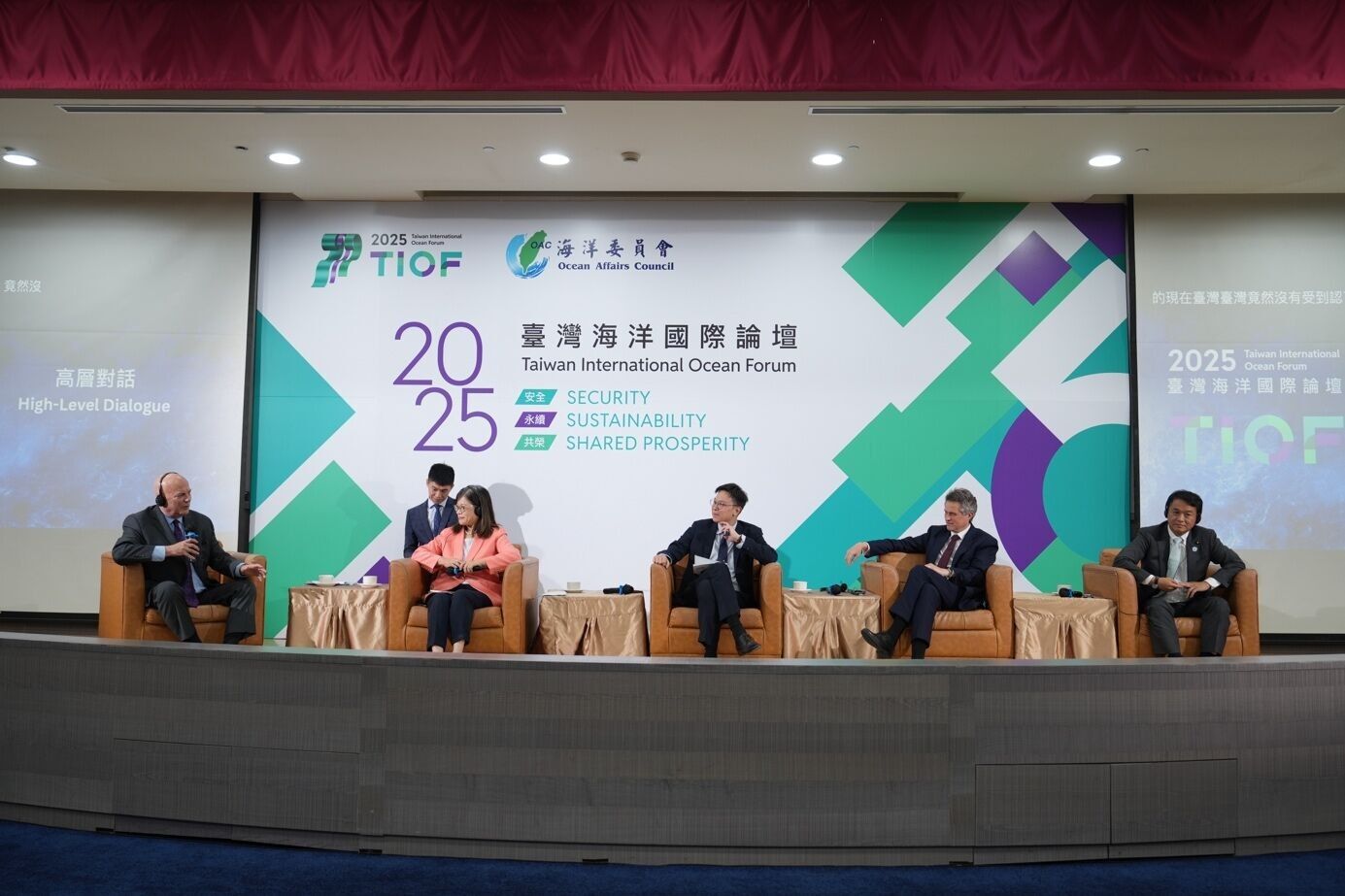
On July 2, 2025, the 2025 Taiwan International Ocean Forum (TIOF), organized by the Ocean Affairs Council, was held at the International Conference Center of National Taiwan University Hospital. Centered on the themes of “maritime security” and “blue economy,” the forum brought together dignitaries and experts from over 15 countries to Taipei for in-depth discussions on security challenges in the Indo-Pacific region and the future direction of global ocean governance.
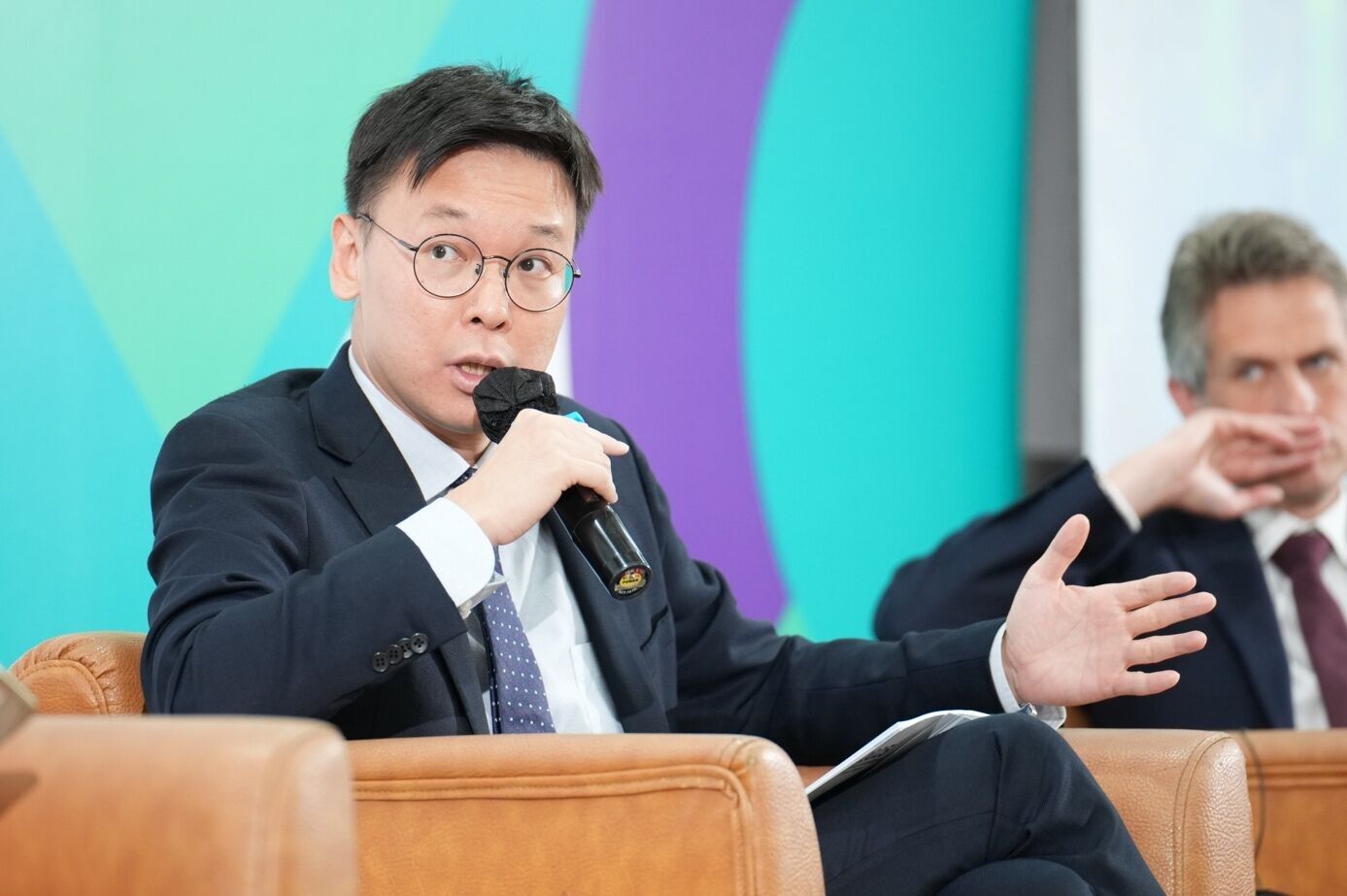
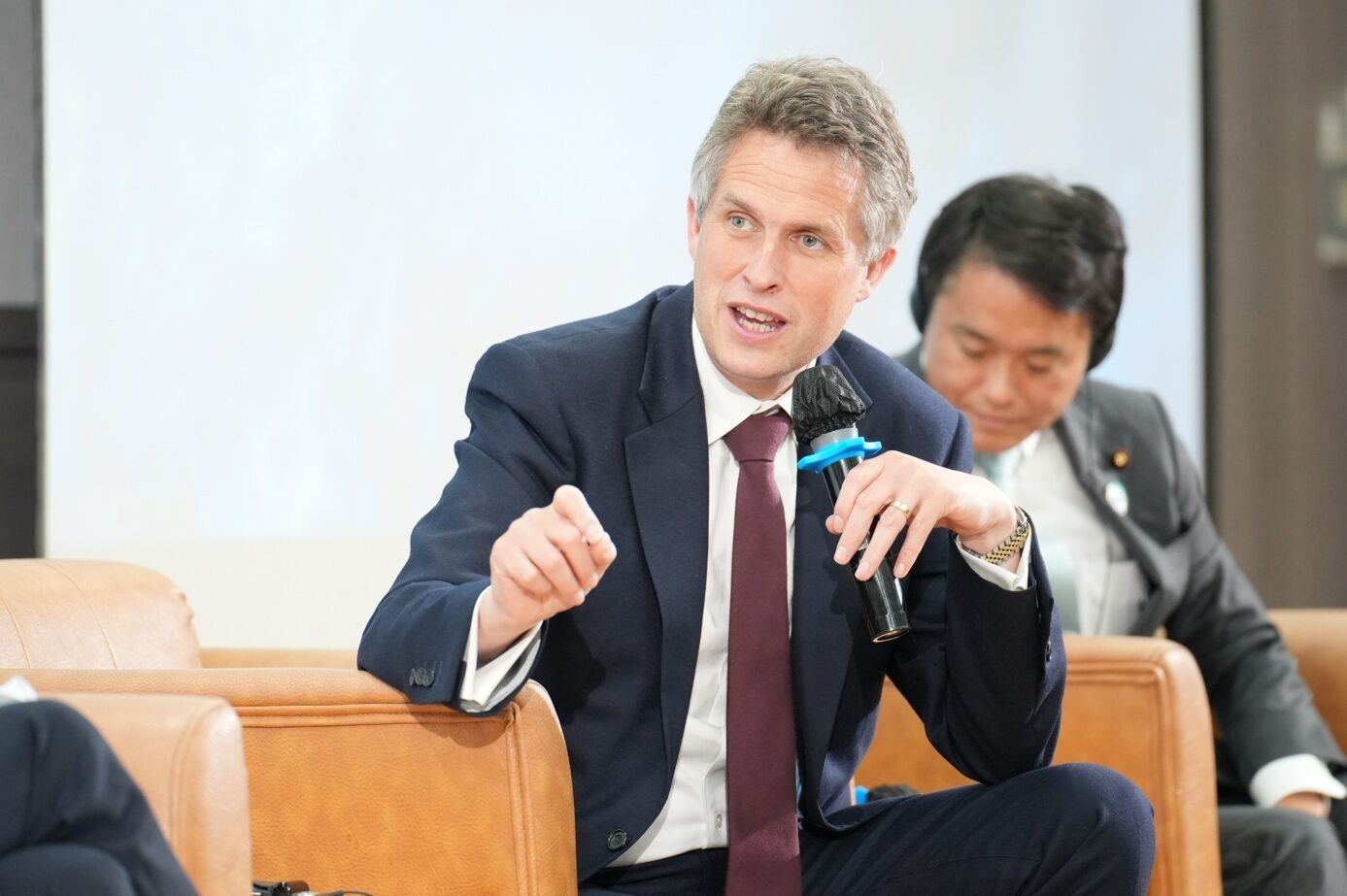
The highlight of the opening day, the “High-Level Dialogue”, was moderated by Thomas P. McDevitt, Chairman of The Washington Times. Featured speakers included Minister Kuan Bi-ling (Ocean Affairs Council), Deputy Secretary General Lin Fei-fan (National Security Council), Gavin Williamson (Former UK Secretary of State for Defense), and Yamato Aoyama (Member of the House of Representatives, Constitutional Democratic Party of Japan). Discussions focused on strategic ocean governance, gray zone threats, and transnational cooperation—demonstrating Taiwan’s increasing visibility and responsibility in global maritime affairs.
Responding to China's Provocations: Gray Zone Actions and Information Warfare
Minister Kuan Bi-ling emphasized that the Council, as Taiwan’s highest authority on maritime policy, is tasked with the mission of “Three Securities” and “Four Ocean Policy Goals”: territorial security, maritime law and order, public peace of mind, and environmental sustainability. These mandates span efforts from crime prevention and maritime rescue to conservation, marine waste management, pollution control, and sustainable development.
She noted that Taiwan’s wide-ranging and diversified role has fostered long-term partnerships with international allies—resilient against political shifts. She cited scientific cooperation with India as an example of effective interdisciplinary and cross-border collaboration.
On maritime security, Minister Kuan stressed Taiwan’s frontline position in the First Island Chain, long subject to China’s military exercises and gray zone provocations. She noted that Marine Patrol officers continue their duties daily, even at that moment repelling China Coast Guard ships from Dongsha Islands in accordance with law.
Minister Kuan described how China employs “narrative warfare”—a form of disinformation aimed at distorting maritime order through fabricated historical claims. In response, Taiwan remains committed to peace, rule of law, and transparent enforcement. She underscored that Taiwan must resolutely uphold law enforcement by seizing vessels and prosecuting offenses such as illegal dredging, smuggling, and unauthorized fishing, thereby affirming its maritime sovereignty.
She concluded that Taiwan’s frontline experience equips it to share best practices with other nations facing similar gray zone threats, and called for establishing an international cooperation framework to address such hybrid challenges.
NSC Deputy Secretary General Lin: Taiwan is not the only target, democratic camps should work together
Deputy Secretary General of National Security Council Lin Fei-fan stated that the military pressure Taiwan now faces far exceeds previous levels, with record-breaking incursions by Chinese aircraft across the median line, increasing PLA naval drills encircling Taiwan, and exercises reaching as far as the South China Sea, East China Sea, and even the Third Island Chain—all indicative of China’s active implementation of its Anti-Access/Area Denial (A2AD) strategy.
Deputy Secretary General Lin asserted:
“Taiwan is not the only target. This is a contest between democracy and authoritarianism. The global democratic partnership must stand united.”
To enhance its capacity to respond, he outlined three key priorities:
1.Strengthening technological defense – accelerating drone and air defense system development to counter hybrid threats.
2.Reinstating the military court system – to uphold rule of law in wartime scenarios and deter infiltration.
3.Building defense resilience – drawing lessons from Ukraine, by increasing civil defense awareness and resource deployment capacity.
Gavin Williamson, former UK Secretary of State for Defense and current member of parliament, voiced strong support for Taiwan. He argued that Taiwan has been too modest on the international stage and urged it to speak boldly to gain global backing:
“Freedom in Taiwan is not an issue for Taiwan alone—it is the shared responsibility of the democratic world.”He shared how the UK’s naval presence in the Taiwan Strait, despite Chinese objections, inspired similar actions by France and Australia, adding:
“We must show resolve through action and not allow dictators to believe they can act without consequence.”
Aoyama Yamato, MP from Japan’s Constitutional Democratic Party, stressed that democratic values must extend beyond diplomacy and parliaments to local governments and civil society. He highlighted the sister city relationship between Tainan and Tsuchiura as a successful example of local-level diplomacy that strengthens democratic networks.Ahead of Japan’s election season, he reassured attendees:
“Even if there is a change in ruling parties, Japan’s commitment to Indo-Pacific peace, its alliance with the U.S., and its friendship with Taiwan will remain steadfast.”
Gaining International Support through Soft Power Diplomacy
As the session concluded, moderator Thomas P. McDevitt asked playfully,“If you could talk to President Trump today, what would you say?”
Minister Kuan responded with humor and candor:
“Over the past two decades, Taiwan has joined four major international organizations—IOC, APEC, ADB, and WTO—but the fifth has yet to happen. We are willing and able. I would ask President Trump, a master negotiator, to help make it possible.”
The room burst into applause and laughter—highlighting the affability and diplomatic acumen of Taiwan’s leadership on the international stage.
Democracies Exchange Experiences to Find Solutions to Maritime Security
In addition to high-level dialogues, this year's forum also invited a number of international speakers to share their observations and strategies on maritime security in the Indo-Pacific. Mr. Jay Tarriela, a maritime security expert from the Philippines, said that the Chinese Communist Party's provocative behavior in the South China Sea has seriously violated the United Nations Convention on the Law of the Sea and undermined regional stability and the principle of freedom of navigation. He called on the international community to work together to safeguard the order of the sea. KiKawada Hitoshi, a member of the Liberal Democratic Party of Japan, pointed out that China's export restriction on rare earths poses an economic and defense threat to Japan, and advocated that Japan and Taiwan cooperate to set up a platform for maritime democracy, and deepen Indo-Pacific cooperation on the basis of freedom of navigation and maritime security. Ms. Ilona Drozdov of Israel's Dvorah Forum shared her country's experience in dealing with grey operations such as drone and satellite jamming, and emphasized the need to strengthen investment in digital resilience, maritime infrastructure, and private sector innovations, as well as the establishment of a multilateral cybersecurity cooperation mechanism. Many experts at today's forum noted that Taiwan's experience on the front lines of gray zone threats and geopolitical conflicts is not only of high strategic value, but also critical for the global democratic community to establish cooperative mechanisms to deal with China's expansion.
國際發展處林加彬科長
0912126762