Closing the legal loophole that allowed protected parrot egg smugglers to evade punishment despite being caughtCan smugglers caught in the act of attempting to export protected wildlife still escape punishment because the law contains no penalty for attempted smuggling? To close this legal loophole, the Ocean Affairs Council (OAC) has used the Executive Yuan’s Anti-Smuggling and Illegal Immigration Coordination Meeting as a platform to place amendments to the Act on Wildlife Conservation high on the interagency enforcement agenda.
At the coordination meeting held on May 4, agencies discussed including attempted smuggling of protected wildlife within the scope of proposed amendments to the Act. The move would provide important legal support for frontline enforcement agencies. The Coast Guard Administration (CGA) and other enforcement authorities expressed strong support for the direction of the amendments, saying they would help address gaps in the current legal framework and improve the clarity, timeliness, and effectiveness of enforcement operations.
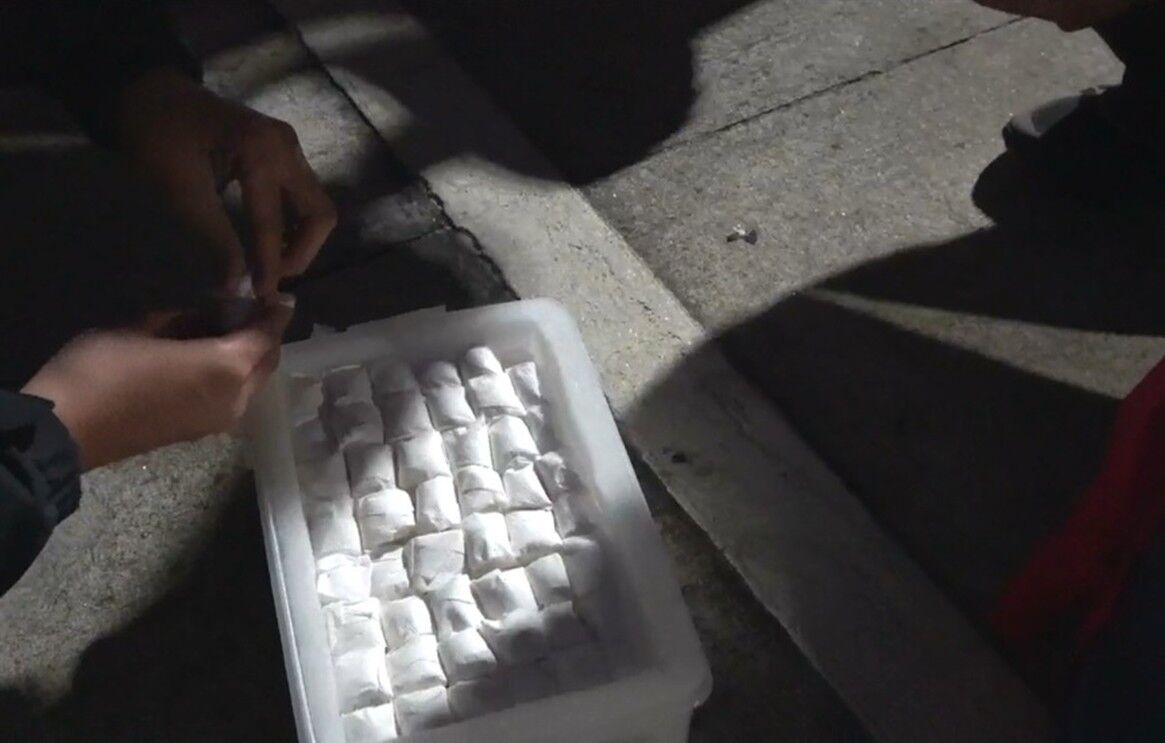
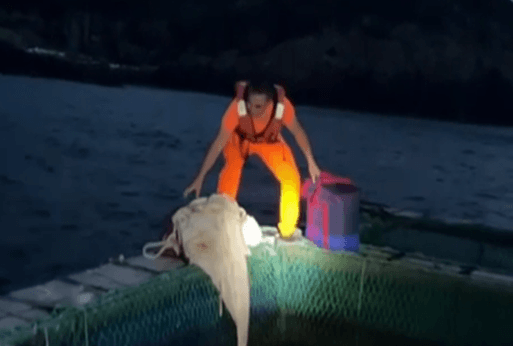
The OAC said the CGA’s Investigation Branch uncovered the largest parrot egg smuggling case in Taiwan’s history between 2024 and 2025. A total of 4,512 fertilized eggs from rare and protected parrot species were illegally exported in batches to mainland China, generating illicit profits of more than NT$5.68 million.
However, in two cases in which suspects were caught on the spot with a total of 1,646 parrot eggs, prosecutors could only issue non-prosecution decisions because the current Act on Wildlife Conservation does not provide penalties for attempted smuggling.
OAC Minister Kuan Bi-ling, who convenes the coordination meeting, said a sound legal framework is the foundation of maritime security and border security. The goal, she said, is to make attempted smuggling of protected wildlife subject to criminal penalties.
Since the 70th meeting of the coordination meeting in December 2025, the OAC has coordinated with the Ministry of Agriculture to actively advance the amendment process. It has also asked the Ministry of Justice to provide professional opinions on legal applicability to ensure that the law can serve as a strong backstop for wildlife conservation.
The Forestry and Nature Conservation Agency said it has begun a comprehensive review of the Act on Wildlife Conservation and has included penalties for attempted offenses in the review. The agency has recently held multiple public briefings across Taiwan and will continue to gather input from environmental conservation groups, academic experts, and frontline enforcement personnel. The aim is to bring Taiwan’s Act on Wildlife Conservation more closely in line with the spirit of the Convention on International Trade in Endangered Species of Wild Fauna and Flora (CITES).
Minister Kuan expressed appreciation to the Ministry of Agriculture for actively promoting the amendments. She said the effort demonstrates the efficiency and value of the coordination meeting in integrating the functions of government agencies and resolving legal loopholes.
The government will continue to take proactive steps to strengthen the relevant legal framework and ensure that smuggling syndicates have no gaps to exploit. The Coast Guard will also continue to reinforce border security management and crack down firmly on smuggling crimes to safeguard maritime order and national security.